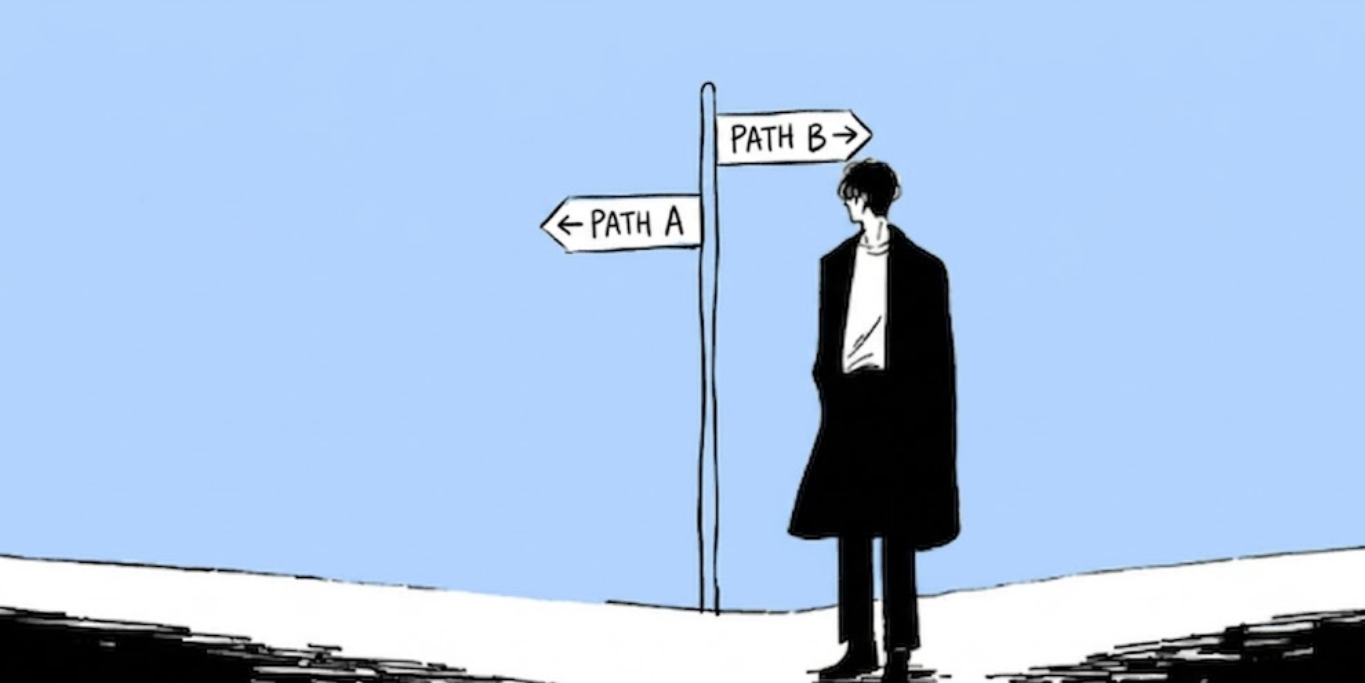


Complicit crimes such as scam centers are not isolated acts of individual criminality. They are part of broader exploitative systems where harm is produced through segmented roles, economic pressure, coercion, and limited opportunity.1 Psychology shows that many individuals involved in such systems operate in a temporary moral state shaped by desire, fear, and constraint, rather than fixed criminal intent.2 This article examines how psychological processes blur the boundary between victimhood and responsibility in complicit criminal systems.
At a psychological level, this reflects a shift in how moral judgment functions under pressure. Survival needs and social influence amplify desire and urgency, while moral restraint is pushed into the background. The moral voice does not disappear. Instead, it is temporarily suppressed or redirected in ways the mind can tolerate.
Understanding Moral Ambiguity Under Survival Pressure
Situational attribution explains behavior by focusing on context rather than character. In complicit crimes, individuals often experience moral ambiguity, where actions are shaped by circumstances rather than criminal identity. Psychology and victimology describe this as a victim–offender overlap, where individuals are simultaneously harmed by structural conditions and involved in harming others.
In these environments, the self continues to function and make choices, but moral restraint works less actively. Ethical awareness remains present, yet attention is diverted toward survival, belonging, or justification.
1. Poverty and Scarcity Narrow Moral Choice: Chronic economic strain consumes cognitive bandwidth and shifts attention toward immediate survival. When debt, unstable income, or family dependency dominate, long term consequences feel distant. In this state, morally questionable work is framed as adaptation rather than wrongdoing. Ethical reasoning narrows, not because morality is absent, but because survival demands take priority.
2. Coercion and Erosion of Agency: Deceptive recruitment, debt pressure, surveillance, threats, or restricted movement further suppress moral resistance. Fear and learned helplessness emerge. Individuals may continue harmful tasks not because they believe them to be right, but because resisting feels unsafe or futile. Moral judgment remains active, yet is overridden by perceived danger.
3. Limited Opportunity and Normalized Complicity: In environments with weak labor markets, complicit work can become socially normalized. Peer behavior and success stories stimulate aspiration and belonging, while moral discomfort is gradually muted. Harmful work is learned as “normal employment.” Ethical concern is not eliminated, but socially discouraged and collectively managed.
Together, poverty, coercion, and limited opportunity do not erase ethical awareness. Instead, they reorganize it. Moral restraint is temporarily stored rather than removed, allowing people to function without constant internal conflict.
Recommendations for the Public
Reducing harm begins by recognizing how survival pressure reshapes moral reasoning, rather than interpreting ethical compromise as personal failure.
1. Recognizing Survival Framing: When decisions are framed as “for the family,” ethical trade offs often go unquestioned.
Real Life Application: When considering work that promises fast income but feels morally unclear, pause and ask whether family duty is being used to silence concern about harm to others.
2. Questioning the “No Choice” Narrative: Economic stress narrows perceived options, but total lack of choice is often a cognitive interpretation shaped by scarcity.
Real Life Application: When thinking “there is no alternative,” deliberately name at least two other options, even if they feel difficult or imperfect. This restores a sense of agency.
3. Separating Survival From Moral Identity: Enduring hardship for loved ones does not automatically make harmful actions morally neutral.
Real Life Application: When justifying actions as sacrifice, reflect on whether the same logic would be acceptable if the harm affected another family in a similar situation.
- United Nations Human Rights Office of the High Commissioner. “Hundreds of Thousands Trafficked to Work as Online Scammers in SE Asia.” Press Release, August 29, 2023. https://www.ohchr.org/en/press-releases/2023/08/hundreds-thousands-trafficked-work-online-scammers-se-asia-says-un-report. ↩︎
- Franceschini, Ivan, Lili Li, Yi Hu, and Marco Bo. “A New Type of Victim? Profiling Survivors of Modern Slavery in the Online Scam Industry in Southeast Asia.” Trends in Organized Crime (2024). https://doi.org/10.1007/s12117-024-09552-2. ↩︎