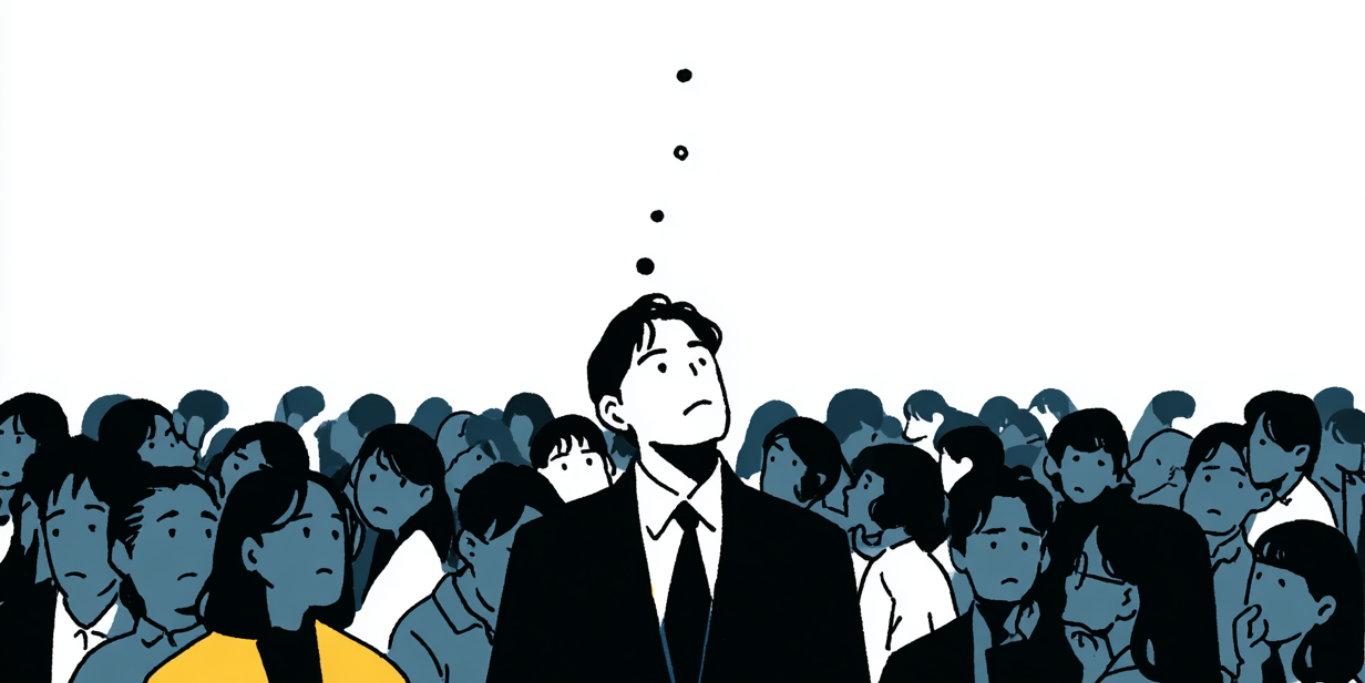


Digital deception and scam center crime are not just about fake messages, poor grammar, or suspicious links. They are organized criminal activities designed to exploit how people think and react under pressure. Technology is only the delivery channel. Psychology is the main leverage.
These scams succeed by pushing people into what psychologists call System 1 thinking. System 1 is fast, emotional, and automatic. It is the kind of thinking used when people feel rushed, stressed, excited, or afraid. In this state, reflective judgment temporarily switches off. Psychiatry describes this as functional brake failure, meaning the mental brakes that normally slow decisions and resist pressure become weaker under stress.1
Understanding human motives is therefore central to scam literacy. Harm does not happen because people are unintelligent or unaware. It happens because criminal actors intentionally design interactions that shift people out of System 2 thinking. System 2 is slower, more reflective, and used for checking facts and weighing risks. When people are pushed out of this mode, decisions become reactive instead of deliberate.
This shift is not random. It follows predictable patterns that appear across six common victim profiles: including cautious planners, overconfident professionals, emotionally driven responders, risk takers, isolated individuals seeking connection, and people who naturally trust authority.
Manipulative motives and System 1 exploitation
From a psychological perspective, perpetrators who design or manage scam operations show traits linked to Machiavellianism. In simple terms, this means strategic manipulation, emotional control, and willingness to exploit others for personal gain. These actors are rarely impulsive. They are patient, observant, and focused on controlling behavior, not just stealing money.
This explains why scams rarely begin with obvious deception. Early interactions are designed to feel normal, friendly, and trustworthy. Trust is built first. Urgency comes later. By the time pressure appears, multiple mind traps are already active, such as assuming honesty, excessive optimism, emotional reassurance, and gradual normalization of risk. At that point, System 1 thinking is already dominant.
A common example is job recruitment scams. An offer appears on a familiar platform. The role sounds realistic. The recruiter responds politely and quickly. When details are requested, answers are reassuring but vague. Independent verification is subtly discouraged. Later, urgency is introduced with phrases like “this opportunity will close soon” or “too many questions delay approval.” These cues are deliberate. They are meant to suppress System 2 questioning and keep the momentum going.2
Why psychology-informed prevention restores the brake
Existing scam literacy is often reduced to spotting fake websites or suspicious messages. While helpful, this approach is incomplete. Scam tactics evolve quickly. Psychological motives do not.
Understanding the psychological aspect shifts attention from what the message looks like to why it is designed a certain way. Instead of only asking whether something seems real, people learn to ask why their emotions, urgency, or trust are being targeted. That question alone helps reactivate System 2 thinking and restore the mental brake.
This framing also removes shame. Feeling rushed, hopeful, or confused is not a personal failure. It is often the earliest warning sign that psychological manipulation is taking place.
Behavioral red flags across victim profiles
Across cases, similar red flags appear before harm escalates. These include discouraging verification, promoting secrecy, changing explanations, and framing risks as temporary or easily solvable. Emotional reassurance is paired with pressure. The message shifts from “check this” to “trust me.”
Dual-Process Theory and Psychological Motives Behind Deception
Digital deception works not because people lack intelligence, but because decision-making can be pushed into fast, emotional modes where normal judgment briefly fails. Learning how System 1 and System 2 thinking work helps people recognize when their decisions are being influenced rather than freely chosen. Understanding these psychological motives is a practical form of protection. It allows people to pause, question emotional pressure, and regain control before impulsive decisions turn into harm.
- Daniel Kahneman, Thinking, Fast and Slow (New York: Farrar, Straus and Giroux, 2011), 19–28. ↩︎
- Marti DeLiema, “The Neuroscience of the Scammed Brain: How Stress Shuts Down Reflection,” Journal of Gerontology: Psychological Sciences 80, no. 2 (2025): 142, https://doi.org/10.1093/geronb/gbad190. ↩︎