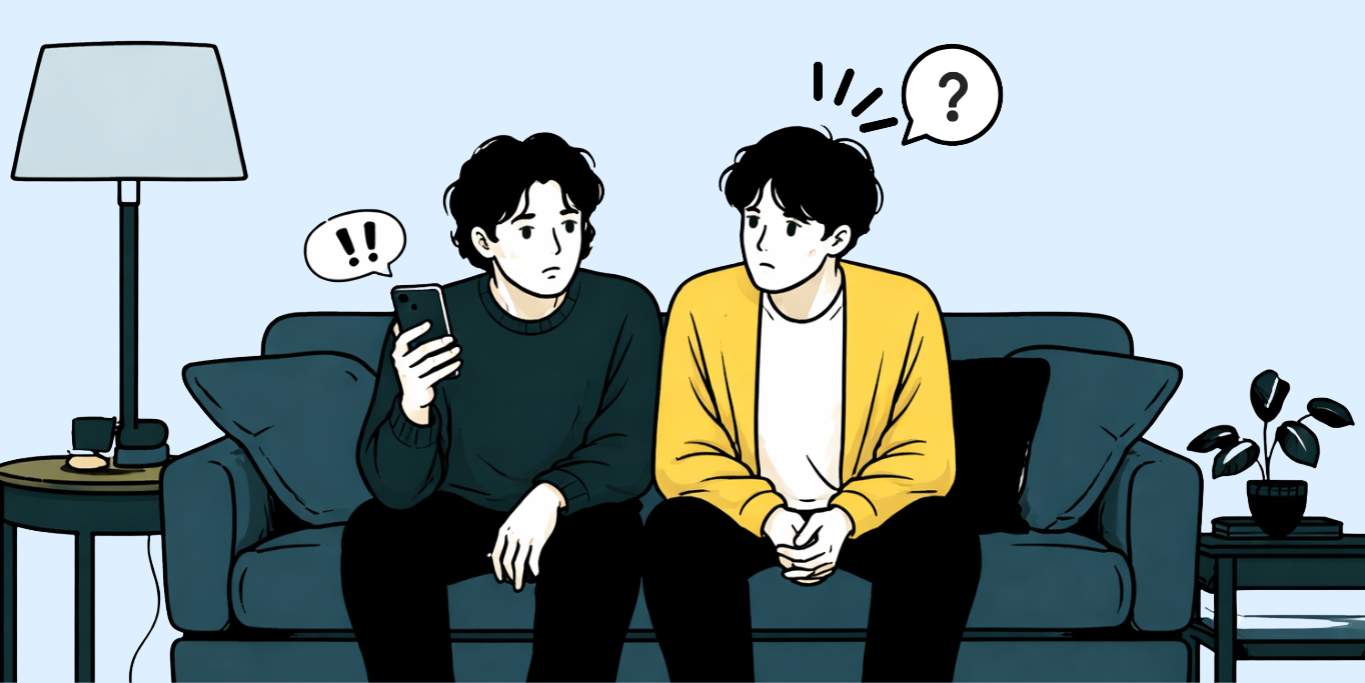


Digital scams and online exploitation are often described as sudden crimes that happen without warning. Psychology shows a different pattern. Within most victim profiles, harm develops gradually through predictable psychological stages. These stages often begin with emotional pressure, urgency, fatigue, or mental overload. Under these conditions, careful judgment weakens, and people shift into fast, automatic decision-making.
In clinical terms, this shift can be described as functional brake failure. This means the mental “brakes” that normally help people slow down, question information, and resist pressure temporarily weaken. System 1 thinking, which is fast and emotional, overrides System 2 thinking, which is slower and more reflective.
This shift is not random, and it is not limited to certain types of people. Across the six victim profiles identified in the evidence, vulnerability appears when specific mental states interact with common victim mind traps. These include urgency bias, emotional reasoning, optimism bias, escalation of commitment, authority deference, and isolation. These are not personality flaws. They are normal cognitive responses that emerge under pressure.1
A public health approach treats these mental states as risk conditions, similar to fatigue or intoxication in other safety contexts. Instead of focusing only on harm after it occurs, this approach emphasizes early intervention to restore judgment before decisions escalate.2
The recommendations below are designed for the public to interrupt predictable psychological pathways that lead from pressure to impulsive action, while reflective thinking is still possible:
1. Notice when your mind is under pressure – Treat emotional intensity as a risk signal
-Recommendation: Pause when a message triggers strong emotion.
-Psychological basis: Strong emotions such as fear, excitement, guilt, hope, or urgency activate System 1 thinking and suppress System 2 reflection. In this state, emotional relief becomes the priority instead of accuracy or safety. This pattern appears across victim profiles. Emotional responders may feel panic or excitement. Overconfident individuals may feel motivated urgency. Isolated individuals may feel relief or connection. In all cases, emotional arousal weakens impulse control and increases reliance on mental shortcuts.
Emotional intensity does not mean something is important or true. It signals that judgment is under strain.
-Real-life application: If a message makes you feel panicked, pressured, or unusually excited, do not act immediately. Pause and identify the emotion you are feeling. Even a brief pause reduces System 1 dominance and allows reflective thinking to return.
2. Learn how scams work, not just how they end – Use delay to restore judgment
-Recommendation: Delay decisions involving money, personal information, job offers, or authority requests.
-Psychological basis: Urgency is one of the most effective tools in digital deception. It compresses thinking and pushes people toward quick action to reduce discomfort. Under urgency, mind traps such as forced closure and escalation of commitment become more likely. Delaying action allows emotions to settle and cognitive resources to recover, restoring the brain’s braking function.
-Real-life application: Adopt a personal rule that important digital decisions are never made immediately. Legitimate requests remain valid after verification. Demands that cannot wait should be treated as warning signs, not priorities.
3. Remember that anyone can be vulnerable at the wrong moment – Verify through independent channels
-Recommendation: Confirm information using contacts or platforms you already trust.
-Psychological basis: During brake failure, people rely on surface cues such as logos, professional language, familiarity, or authoritative tone. These cues are central to mind traps linked to authority and familiarity bias. Independent verification bypasses these shortcuts and re-engages reflective thinking. This pattern appears across victim profiles. Trust-oriented individuals defer to authority. Confident individuals trust presentation quality. Stressed individuals accept reassurance. Verification interrupts these pathways.
-Real-life application: Instead of replying directly or clicking a link, open an official app or contact a known number. Verification is a protective habit, not a sign of distrust.
4. Talk early instead of staying silent – Bring in social safeguards
-Recommendation: Consult another person before acting.
-Psychological basis: Isolation strengthens manipulation. Several mind traps intensify when doubts are kept private, including normalization and emotional reasoning. External perspectives act as an additional mental brake and help detect inconsistencies missed under pressure. Shame and secrecy delay disclosure and deepen commitment.
-Real-life application: Share the message with someone you trust, especially if secrecy is suggested. Early discussion restores judgment and reduces impulsive action.
5. Use simple safety habits instead of trusting confidence alone – Stop escalation after any loss
-Recommendation: Do not try to recover losses by complying again.
-Psychological basis: Loss aversion and fear of regret drive escalation. After an initial loss, people take greater risks to avoid accepting it. This affects both victims and complicit individuals and is reinforced by emotional discomfort. Continued compliance rarely resolves harm. It usually increases it.
-Real-life application: If money or information has already been shared, stop interaction immediately. Seek advice instead of trying to fix the situation alone.
6. Reduce risk during fatigue and overload
-Recommendation: Avoid important digital decisions when tired or overwhelmed.
-Psychological basis: Mental fatigue reduces attention, memory, and impulse control. When cognitive resources are depleted, System 1 thinking dominates by default. This increases vulnerability across all victim profiles, regardless of experience or confidence.
-Real-life application: Delay responses until you are rested and focused. Decision quality improves when mental load is reduced.
7. Treat early help-seeking as prevention
-Recommendation: Ask for help early, without waiting for certainty.
-Psychological basis: Early sharing reduces emotional pressure and interrupts escalation. Shame delays protection and reinforces isolation-based mind traps. Prevention is most effective before uncertainty hardens into commitment.
-Real-life application: Talking to someone early is a safety behavior, not a failure. Seeking perspective restores control.
Conclusion
Digital scams exploit predictable human psychology under pressure. They succeed when System 1 thinking overrides reflection and decision-making brakes temporarily fail. This can happen to anyone, across all victim profiles.
A psychology-informed public health approach works because it restores judgment early. Protection does not come from intelligence, confidence, or suspicion. It comes from habits, social safeguards, and understanding how the mind behaves under stress. These principles are not abstract theory. They are practical tools for everyday protection.
- Koning, Ina M., Marianne Junger, and Toos C. M. Veldkamp. “Risk and Protective Factors for Online Fraud Victimization.” Journal of Financial Crime 31, no. 4 (2024): 891–906. https://doi.org/10.1108/JFC-06-2023-0158. ↩︎
- : Levi, Michael. “Pandemics and Fraud: Learning from the Coronavirus Pandemic and Its Antecedents.” In Cybercrime in the Pandemic Digital Age and Beyond, edited by Russell G. Smith et al., 31–56. Palgrave Studies in Cybercrime and Cybersecurity. Cham: Palgrave Macmillan, 2023. https://doi.org/10.1007/978-3-031-29107-4_3. ↩︎